
Key Takeaways
A decision guide to custom ERP development: when building your own beats buying SAP, NetSuite, or Odoo, what it costs in 2026, and the roadmap to do it right.
- Most companies should buy or extend, not build. Platform-based customization fits roughly 80% of mid-market scenarios.
- Build custom when your process is your edge, off-the-shelf can’t model it, or per-seat licensing gets punishing at scale.
- Custom ERP costs $40,000 to $250,000+ for a mid-range build; enterprise systems run into seven figures.
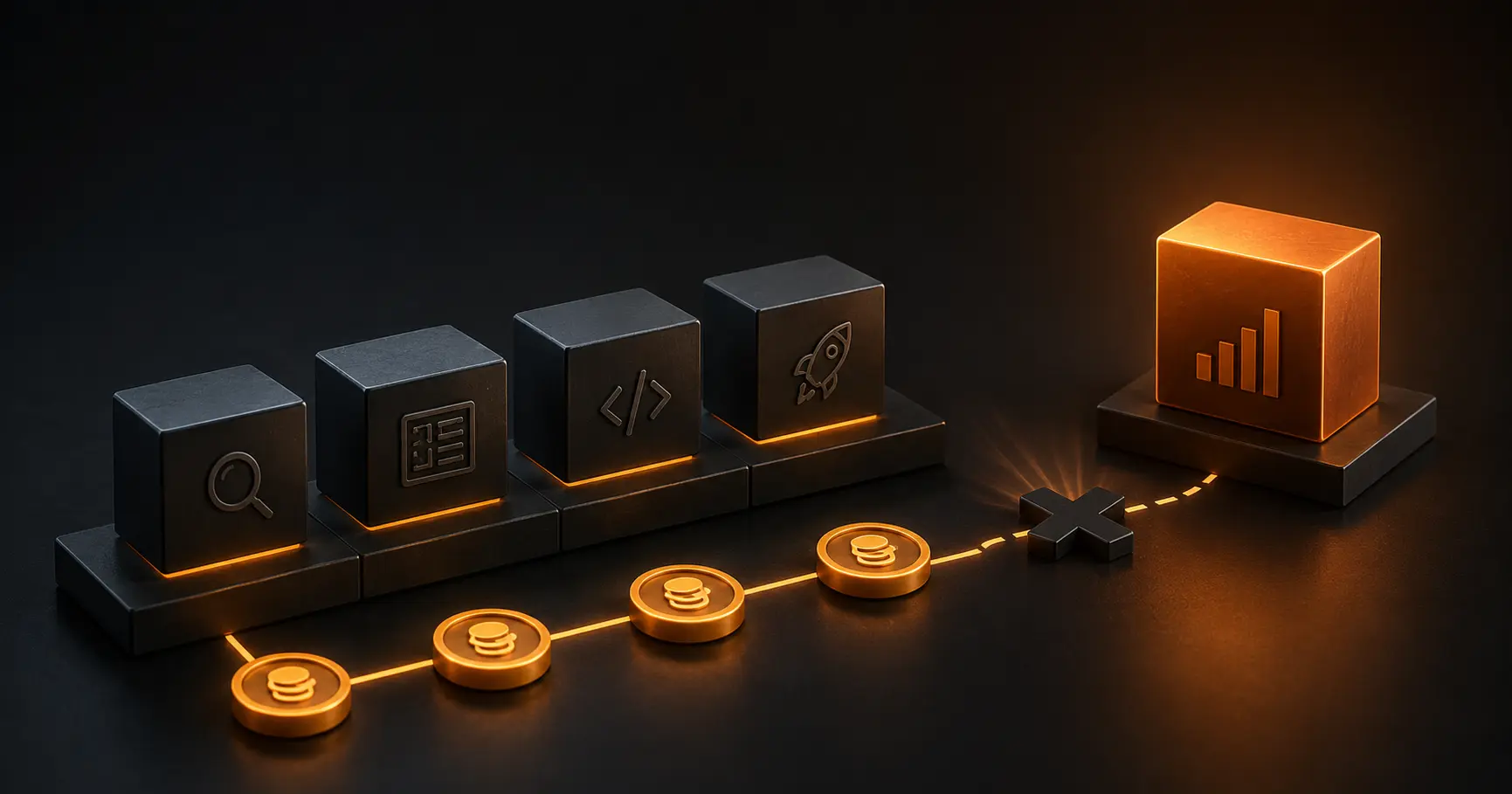
- The 5-year TCO flips past 30 to 40 users, where recurring SaaS fees start to exceed a one-time custom build.
- Consider the third path: extend an open platform like Odoo instead of buying rigid software or building from zero.
Custom ERP development is one of the most consequential build-versus-buy decisions a growing company makes, and it’s also one of the most commonly gotten wrong in both directions. Some firms pour six figures into a bespoke system they didn’t need; others contort their operations to fit rigid off-the-shelf software that fights them daily. The right answer depends on how unusual your processes are, how many users you have, and what you’ll pay over five years, not on which vendor has the slickest demo.
This guide lays out when building your own ERP genuinely beats buying SAP, NetSuite, or Odoo, what a custom build costs in 2026, and the roadmap to deliver it without the runaway budgets ERP projects are infamous for.
What Is Custom ERP Development?
Custom ERP development means building enterprise resource planning software tailored to your exact operations, instead of adopting a packaged product and bending your processes to fit it. An ERP ties together the systems a business runs on, finance, inventory, orders, HR, and more, and a custom build shapes each module around how you actually work.
The alternative is off-the-shelf ERP from vendors like SAP, Oracle NetSuite, or Odoo, where you get proven software fast but customize only within the vendor’s limits. Custom trades speed and a low starting price for control, ownership, and freedom from per-seat licensing. Which trade is right depends entirely on your situation, and most companies misjudge it by focusing on the upfront number instead of the five-year one.
Quick Verdict: Buy or extend an off-the-shelf ERP if your processes are fairly standard and you want speed, vendor support, and lower upfront cost. Build custom when your workflow is a competitive advantage that no package models well, when per-seat fees become punishing past 30 to 40 users, or when you need full ownership and control. For most mid-market companies, extending a flexible platform like Odoo beats both extremes.
Should You Build or Buy an ERP?
The build-versus-buy decision comes down to how unique your processes are and what you’ll pay over time. Platform-based customization, extending an existing ERP rather than building from scratch, wins roughly 60% of the time and fits about 80% of mid-market scenarios. That should be your default assumption, not custom.
When to Build Custom
Build a custom ERP when your operations are genuinely non-standard and that difference is part of your advantage. If no off-the-shelf system models your workflow without painful workarounds, if you want to escape escalating per-user licensing at scale, or if you need to own the code and roadmap outright, custom earns its cost. Companies with unusual manufacturing, logistics, or service models are the classic fit.
When to Buy Off-the-Shelf
Buy when your processes are reasonably standard and speed matters more than perfect fit. Off-the-shelf ERP deploys in months, comes with vendor security and updates, and carries a large ecosystem of integrations and certified consultants. If you need complex financials like multi-entity consolidation or ASC 606 revenue recognition, a mature platform will handle it far faster than a custom team could. For most companies, buying is the responsible default.
The Third Option: Extend a Platform
The overlooked middle path is extending an open, flexible platform such as Odoo rather than choosing between rigid software and a from-scratch build. You inherit the vendor’s core modules, security, and updates, then customize the parts that make you different. It’s faster and cheaper than full custom while giving you far more control than a locked-down suite, which is exactly why it wins the majority of real-world decisions.
Signs You’ve Outgrown Off-the-Shelf ERP
Most custom ERP projects start because a packaged system stopped fitting, not because someone wanted to build software. A few signals tell you you’ve reached that point.
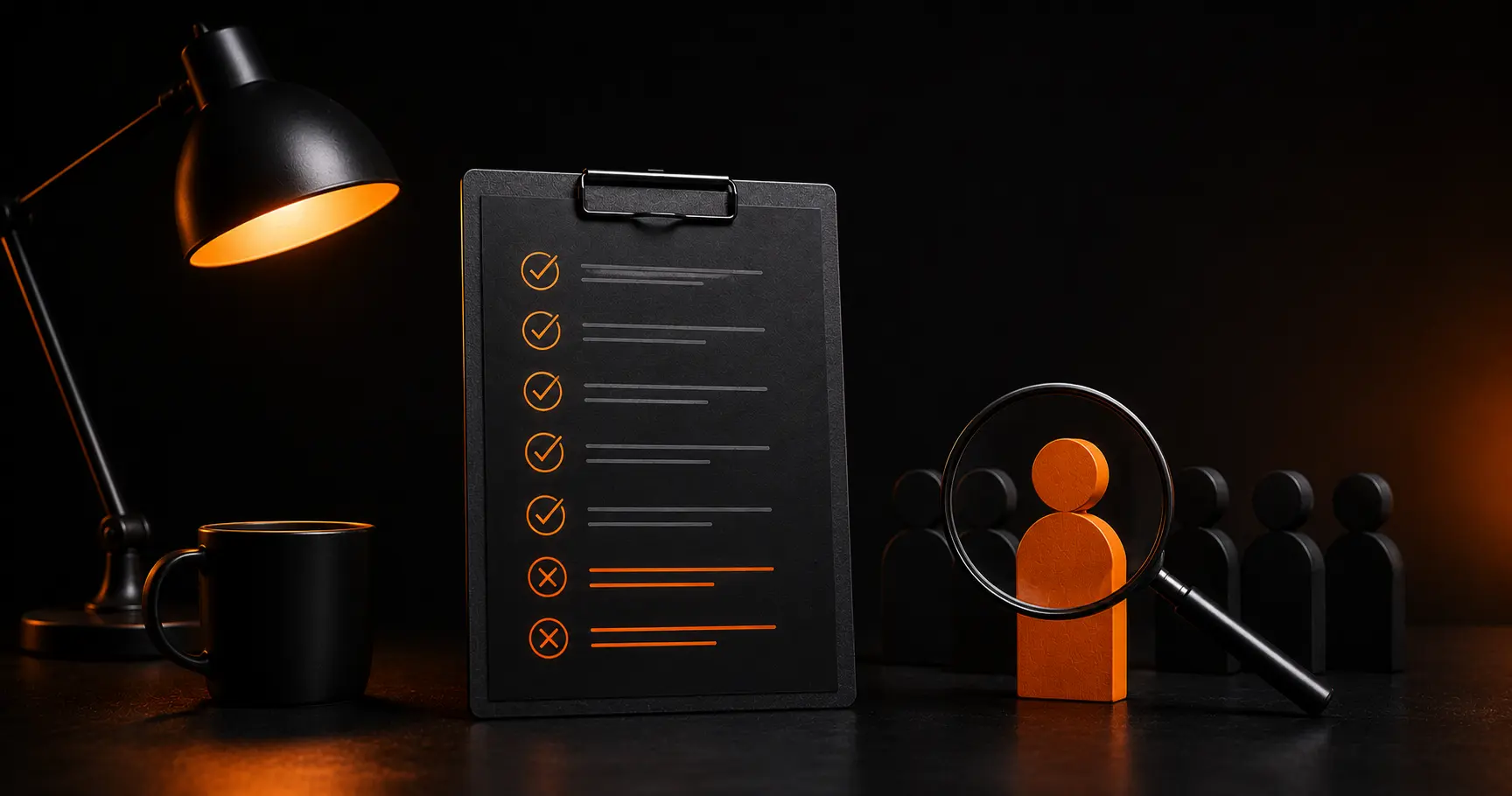
Watch for these: you’re paying for modules and seats you barely use while still lacking the one feature you actually need; your team maintains spreadsheets and manual workarounds alongside the ERP just to get real work done; customization requests keep hitting the vendor’s hard limits; per-user licensing is climbing faster than the value each seat adds; and integrating the ERP with your other systems feels like fighting it. When two or three of these are true at once, the off-the-shelf system is costing you more than its price tag in lost efficiency, and a custom or extended solution starts to look cheaper than the status quo.
SAP vs NetSuite vs Odoo: A Quick Comparison
If you’re buying, the three names you’ll weigh most are SAP, NetSuite, and Odoo. They serve different ends of the market.
| Platform | Best For | Cost Signal |
| SAP | Large-scale, global, complex compliance and supply chains | Highest; enterprise licensing |
| NetSuite | Complex financials, multi-entity, scaling past $20–30M | ~$999/mo base + $99–199 per user + $75K–250K implementation |
| Odoo | Budget-conscious teams with technical resources | Lowest; open-source and highly customizable |
SAP
SAP is the strongest option for large-scale complexity. If you expect acquisitions, global plant networks, advanced compliance, or deeply integrated supply chain planning, SAP tends to be the most durable long-term platform, and the most expensive.
NetSuite
NetSuite suits growing companies that need robust financials and plan to scale. Its base platform runs around $999 a month, user licenses $99 to $199 each, and implementation $75,000 to $250,000, so a first year can reach $150,000 to $400,000 once modules and customization are added.
Odoo
Odoo is consistently the most affordable cloud ERP and the most customizable, since it’s open-source. If budget is your main concern and you have technical resources to handle setup, it gives you the most for the least, and it’s the natural base for the extend-a-platform approach.
How Much Does Custom ERP Development Cost in 2026?
Custom ERP development costs $40,000 to $250,000 or more for a mid-range system in 2026, with the full spread running from small builds to seven-figure enterprise platforms. Cost scales with modules, integrations, and complexity.
Custom ERP Cost by Scale
| Custom ERP Scale | 2026 Cost | Timeline |
| Basic (small team, few workflows) | $10,000–$40,000 | 3–6 months |
| Mid-range (multiple modules, integrations) | $40,000–$250,000+ | 6–12 months |
| Enterprise (advanced features) | $250,000–$1M+ | 12–24 months |
Off-the-Shelf Cost
Off-the-shelf ERP looks cheaper at first because licensing can start around $10,000 and deploy in three to twelve months. But the model is a recurring per-user subscription, and customization, add-on modules, and consultant hours at $150 to $300 each stack up quickly. The low starting price hides a rising long-term bill.
The 5-Year TCO Crossover
This is the number most buyers miss. Custom ERP is a one-time development cost with an optional support retainer, while off-the-shelf is a subscription that never stops. Over a five-year horizon, a custom build frequently costs less than recurring SaaS fees once your user count passes roughly 30 to 40 seats. Below that, buying usually wins; above it, custom starts to pay for itself. Run your own three-to-five-year total cost of ownership, as Gartner and ERP researchers like Panorama Consulting consistently recommend, before you decide.
What Does the Custom ERP Development Roadmap Look Like?
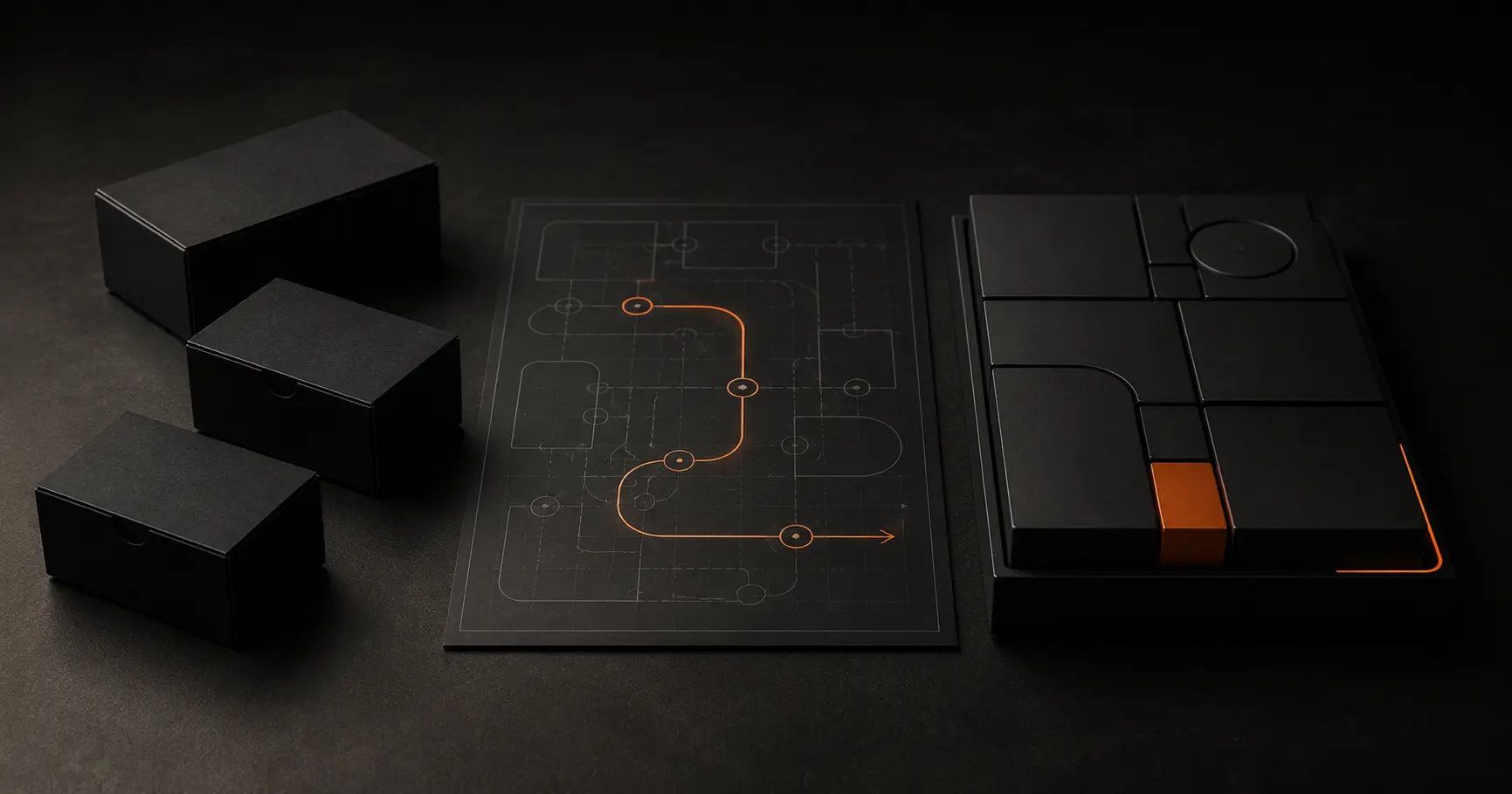
A custom ERP is delivered in phases, and skipping the early ones is how these projects earn their reputation for overruns. The roadmap runs: discovery and process mapping, architecture and module design, phased development starting with the highest-value module, integration with existing systems, data migration, testing, and a staged rollout rather than a risky big-bang switch.
The disciplined move is to build the one module that hurts most first, prove it in production, then expand. That keeps the investment tied to value at every step and avoids the classic failure of a two-year build that delivers nothing until the very end. McKinsey’s research on large IT projects is a warning worth heeding here: big, all-at-once builds run over budget and under value far more often than phased ones.
What Are the Benefits and Risks of Custom ERP?
A custom ERP’s benefits are real: a precise fit to your processes, no per-seat licensing tax, full ownership of the code and data, and the freedom to evolve the system on your own roadmap rather than the vendor’s. For a company whose operations are a genuine advantage, those benefits compound every year.
The risks deserve equal weight. A custom build costs more upfront, takes longer to deliver, and puts maintenance and security squarely on you instead of a vendor. If you lack the internal technical capacity to own the system after launch, that maintenance burden can quietly erase the savings. The honest test is whether your process advantage and your scale justify carrying that ownership. If they don’t, buying or extending a platform is the wiser call, and there’s no shame in it.
What Are the Most Common Custom ERP Mistakes?
The most common custom ERP mistake is building custom when you didn’t need to, replicating features a package would have given you for a fraction of the cost. The others compound the risk:
- Big-bang delivery. Trying to launch everything at once instead of module by module.
- Underestimating integration and migration. Connecting existing systems and moving clean data is often half the work.
- Ignoring the 5-year TCO. Choosing on upfront price and getting surprised by either licensing or maintenance later.
- No internal ownership. Building custom without the technical capacity to maintain it afterward.
How Velcod Approaches Custom Business Software
Full enterprise ERP at SAP scale is a specialist world, and honesty matters here: if you’re a global manufacturer, that’s not a startup studio’s job. But many companies don’t need a monolithic ERP. They need a custom operational tool or a lightweight system that models the one process a package can’t.
That’s where Velcod fits, building custom web applications and internal tools for startups and scaling companies whose workflow is their edge. Instead of a two-year ERP program, the approach is to build the highest-value module fast on a modern stack, integrate it with the tools you already run, and hand you full code ownership so there’s no per-seat tax and no lock-in. You can see custom builds in the case studies. If you’re weighing custom software against bending your business to fit off-the-shelf, talk to the team and we’ll help you scope it honestly.
The real decision isn’t custom versus off-the-shelf as a matter of pride; it’s which one costs less and fits better over the next five years. Map your processes, run the TCO, and let the numbers, not the demo, choose, then revisit the call as you grow, because the right answer shifts with your scale.
Frequently Asked Questions
How much does custom ERP development cost in 2026?
A basic custom ERP runs $10,000 to $40,000, a mid-range system with multiple modules $40,000 to $250,000 or more, and an enterprise build $250,000 to over $1 million. Timelines range from 3 to 6 months for basic systems to 12 to 24 months for enterprise. Integration and data migration often account for a large share of the total.
Is it cheaper to build a custom ERP or buy SAP or NetSuite?
It depends on scale and time horizon. Off-the-shelf is cheaper upfront but charges per-user subscriptions forever. A custom build is a one-time cost, and over five years it frequently costs less once you pass roughly 30 to 40 users. Below that threshold, buying usually wins; above it, custom often becomes the cheaper option.
When should a company build a custom ERP instead of buying?
Build custom when your processes are genuinely unusual and off-the-shelf software can’t model them without painful workarounds, when per-seat licensing becomes punishing at scale, or when you need full ownership and control of the code and roadmap. If your processes are standard, buying or extending a platform like Odoo is almost always the smarter, faster choice.
What is the best ERP: SAP, NetSuite, or Odoo?
There’s no single best; they serve different needs. SAP fits large, global, complex organizations. NetSuite suits growing companies needing strong multi-entity financials. Odoo is the most affordable and customizable, ideal for budget-conscious teams with technical resources. Match the platform to your size, financial complexity, and how much customization you actually need.
How long does custom ERP development take?
A basic custom ERP takes 3 to 6 months, a mid-range system 6 to 12 months, and a large enterprise ERP 12 to 24 months or more. The fastest path is phased delivery: build the highest-value module first, launch it, then expand, rather than attempting a single big-bang release that delivers nothing until the end.
Resources & Further Reading
- SAP: the enterprise ERP standard for large, global, complex organizations.
- Oracle NetSuite: cloud ERP for growing companies with complex financials.
- Odoo: open-source, highly customizable ERP and the base for platform extension.
- Gartner: ERP Insights: independent research on ERP selection and strategy.
- Panorama Consulting: ERP implementation reports and total-cost analysis.
- McKinsey: Delivering Large-Scale IT Projects: why phased delivery beats big-bang ERP programs.